Skip to product information
1 of 5

AP Nootropic Pre-Workout

AP Nootropic Pre-Workout

AP Nootropic Pre-Workout fuels both mind and body.

This clean, clinically-backed formula enhances focus, endurance, and overall performance. Combining nootropics, adaptogens, nitric oxide boosters, and natural caffeine for smooth, sustained energy and focus without the crash.

Regular price $49.99 USD
Regular price $49.99 USD Sale price $49.99 USD
Sale Sold out
Shipping calculated at checkout.
Flavor
Size
Quantity

Who's it For?

Adults 18+ who want clean energy, sharper focus, and better workouts without relying on synthetic stimulants. Ideal for gym-goers, athletes, professionals, and anyone who values long-term health as much as short-term performance.

Benefits

Daily pre-workout support for:

  • Smooth, crash-free energy
  • Enhanced mental focus and clarity
  • Improved strength, endurance, and pump
  • Stress and recovery support from adaptogens
  • Brain & body synergy

Ingredient Highlights

Per Serving

  • 6000 mg Nitric Oxide Boosters
  • 220 mg Natural Caffeine
  • 2500 mg Nootropics
  • 2500 mg Adaptogens
  • 1000 mg Mushrooms

Quality & Certifications

AP Nootropic Pre is built with clinically-backed, transparently dosed ingredients — no proprietary blends, no artificial colors, sweeteners, or synthetic caffeine. Every batch is manufactured in the USA in a FDA-registered facility.

How to Use

  • Mix 1 scoop with 16 oz of water, 20–30 minutes before training.
  • No artificial fillers — mix well in lukewarm water for best taste and consistency.
View full details

Checks Every Box. No Compromises.

AP Nootropic Generic Pre Workout Black Coffee Energy Drink
Energy
Focus
Stress & Recovery
Performance & Endurance
Brain & Body Synergy
Transparency
Clean Ingredients
  • Typical Pre-Workout Serving

    $2 per serving

  • Our Serving.

    $2 per serving.

Frequently Asked Questions

Is this strong enough for experienced lifters?

Yes. AP Nootropic Pre-Workout is built for experienced lifters and uses clinically- backed doses of nitric oxide boosters, nootropics, adaptogens, natural caffeine, and other proven strength and endurance actives. That means sustained, repeatable performance without relying on artificial stimulant overload.

Will I feel it on the first use?

Yes. Take it 20 to 30 minutes before training.

Most users notice:
- Energy building smoothly, not all at once
- Increased focus and mind-muscle connection
- Improved endurance and workout output
- Mild tingling from beta-alanine, which is normal and harmless

The effect is controlled, not aggressive, but very real.

Will this make me crash or feel jittery?

No. AP Nootropic Pre-Workout is designed specifically to avoid that.

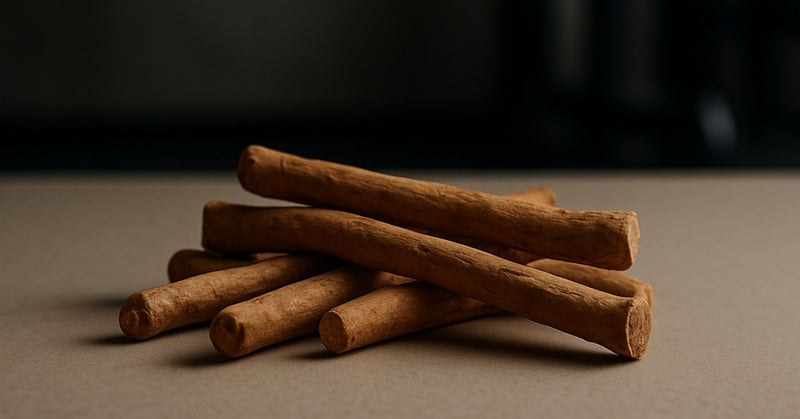
We use natural caffeine from guarana, paired with adaptogens and supportive ingredients like Ashwagandha, Maca, and Taurine to smooth the stimulant curve.

Most users report:
- No jitters
- No sharp spike
- No hard crash

Just steady energy that tapers naturally after training.

Does it actually taste good?

Yes. AP Nootropic Pre-Workout uses natural flavors, a small amount of real cane sugar and stevia, with no artificial colors, sweeteners, or fillers.

The flavor is clean and refreshing, often compared to a lightly sweetened tea rather than a syrupy, artificial pre-workout or energy drink.

Can I take this at night?

Yes, just lower the dose. If you train later in the day, start with ½ scoop (~110 mg caffeine). This provides focus and performance support without disrupting sleep for most people.

Can I take it on rest days?

Yes. Many users take a lower dose on rest days for:
- Mental clarity
- Focus
- Stress support

Ingredients like Lion’s Mane and Ashwagandha support cognition and recovery even without training.

What makes this different from other pre-workouts?

AP Nootropic Pre-Workout is built for both body and mind:

Natural energy, nootropic focus, and adaptogen support with fully transparent, clinically dosed ingredients. No synthetic stimulants. No artificial sweeteners or dyes. No proprietary blends.

Performance without sacrificing long-term health.

What if I'm hesitant to try?

We get it. Choosing a pre-workout shouldn’t feel risky.

That’s why first-time customers are covered by our 30-day money-back guarantee on one jar of AP Nootropic Pre-Workout. If it’s not a fit, we’ll make it right.

Simple. Transparent. No hype.

How can I save on every order?

Subscribers get free shipping and 20% off every delivery.

You have full control over your subscription and can pause, skip, or cancel anytime.

No commitments. Just an easier, cheaper way to stay stocked.

Key Ingredients

Our formula features clean, natural ingredients at clinically validated dosages to promote health and enhance performance.
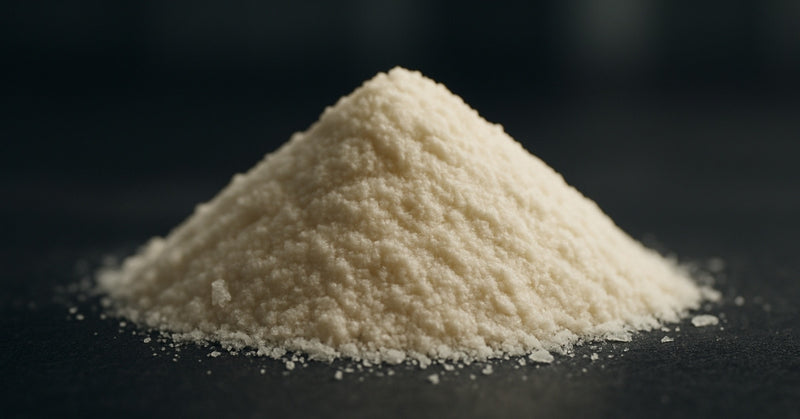
L-Arginine ( 3000mg )

L-Citrulline ( 3000mg )

Beta-Alanine ( 2500mg )

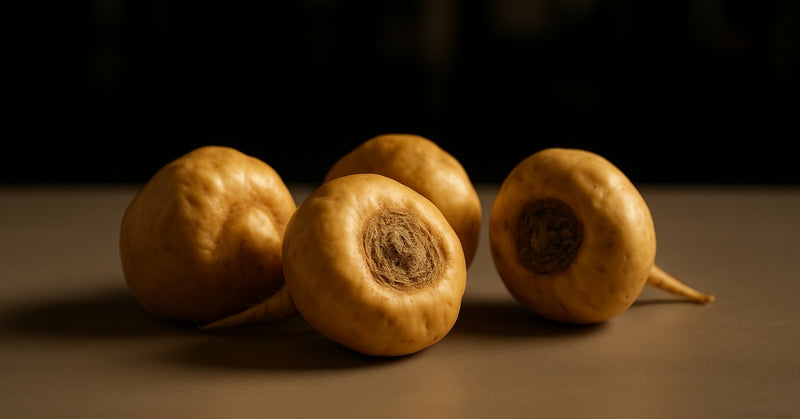
Maca Root ( 2000mg )

Betaine ( 1500mg )

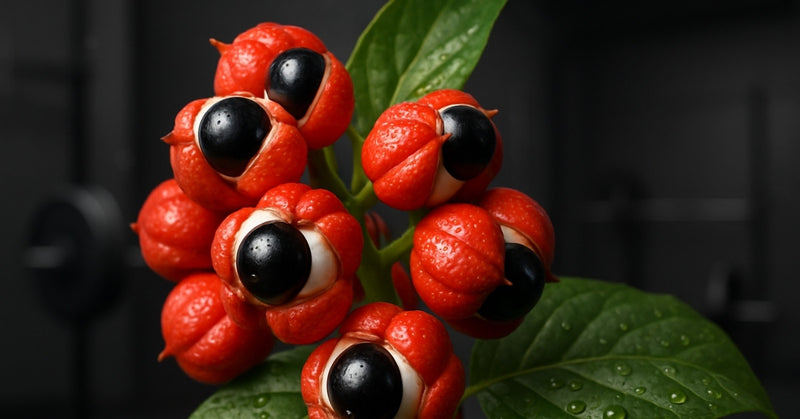
Guarana ( 1000mg )

L-Tyrosine ( 1000mg )

Taurine ( 1000mg )

Ashwagandha ( 500mg )

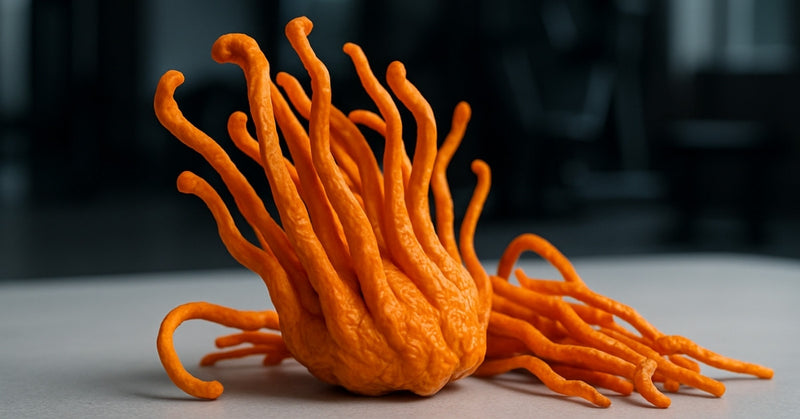
Cordyceps ( 500mg )

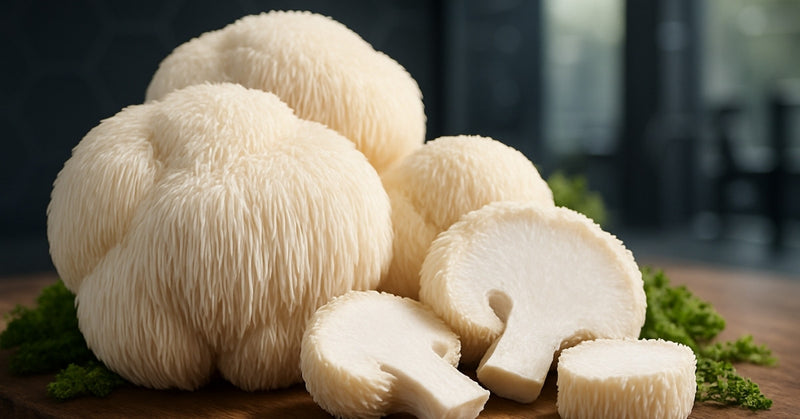
Lion’s Mane ( 500mg )

Vitamin B6 ( 10mg )

1. AP Nootropic Pre-Workout is built to support two equally important performance systems:

  • Mental performance (focus, alertness, and stress control)
  • Physical performance (endurance, fatigue resistance, blood flow, and strength)

By supporting the central nervous system alongside the working muscles, AP Nootropic Pre-Workout delivers performance that feels more controlled, repeatable, and sustainable, not just more intense.

2. Human research shows that nootropic ingredients, including L-tyrosine and Lion’s Mane Mushroom, can support focus, mental clarity, and cognitive resilience—particularly under physical or mental stress. These effects help maintain attention, decision-making, and mental drive during the most demanding training sessions.

3. Studies in humans show that ingredients such as beta-alanine, taurine, betaine, and nitric-oxide-supporting amino acids can improve endurance, reduce perceived fatigue, and increase work capacity during exercise when used at appropriate doses.

4. Research in humans indicates that high doses of fast-acting synthetic caffeine are commonly associated with jitteriness, anxiety, and post-exercise fatigue (commonly referred to as a "post-workout crash"). We use naturally sourced caffeine at a moderate dose, paired with amino acids and adaptogenic ingredients to support smoother energy delivery and stress regulation during exercise.

5. Exercise performance depends not just on stimulant intensity, but on how the nervous system responds to stimulation. Excessive or fast-acting caffeine can increase perceived energy while impairing focus, increasing anxiety, and accelerating fatigue. Moderate stimulant dosing paired with supportive amino acids and adaptogens can promote more stable energy and better training consistency.

6. Training performance is influenced by central nervous system readiness, including attention, motivation, and stress tolerance. Focus and mental clarity affect movement quality, decision-making, and perceived effort, particularly during complex or high-intensity training.

7. Strength, endurance, and muscle pump are driven by different—but complementary—physiological systems. Supporting buffering capacity, cellular hydration, and nitric oxide production simultaneously allows these outcomes to coexist, rather than compete, when ingredients are dosed and combined intentionally.

8. Training places both physical and psychological stress on the body. Adaptogenic ingredients are used to help regulate stress response and recovery pathways, supporting performance consistency rather than short-term stimulation alone.

9. Pre-workouts designed purely around stimulation can be difficult to use consistently without adverse side effects. Formulas built with moderate stimulation, supportive amino acids, and stress-balancing ingredients are better suited for repeated use across different training days and intensities.

10. McLellan, T.M., Caldwell, J.A., & Lieberman, H.R. A review of caffeine’s effects on cognitive, physical and occupational performance. Neuroscience & Biobehavioral Reviews, 2016, 71: 294–312. DOI: 10.1016/j.neubiorev.2016.09.001.

11. Lorenzo Calvo, J., Fei, X., Domínguez, R., & Pareja-Galeano, H. Caffeine and cognitive functions in sports: a systematic review and meta-analysis. Nutrients, 2021, 13(3): 868. DOI: 10.3390/nu13030868.

12. Haskell, C.F., Kennedy, D.O., Wesnes, K.A., Milne, A.L., & Scholey, A.B. A double-blind, placebo-controlled, multi-dose evaluation of the acute behavioural effects of guaraná in humans. Journal of Psychopharmacology, 2007, 21(1): 65–70. DOI: 10.1177/0269881106063815.

13. Doherty, M., & Smith, P.M. Effects of caffeine ingestion on rating of perceived exertion during and after exercise: a meta-analysis. Scandinavian Journal of Medicine & Science in Sports, 2005, 15(2): 69–78. DOI: 10.1111/j.1600-0838.2005.00445.x.

14. Wang, Z., Qiu, B., Gao, J., & Del Coso, J. Effects of caffeine intake on endurance running performance and time to exhaustion: a systematic review and meta-analysis. Nutrients, 2023, 15(1): 148. DOI: 10.3390/nu15010148.

15. Grgic, J., Trexler, E.T., Lazinica, B., & Pedisic, Z. Effects of caffeine intake on muscle strength and power: a systematic review and meta-analysis. Journal of the International Society of Sports Nutrition, 2018, 15: 11. DOI: 10.1186/s12970-018-0216-0.

16. Grgic, J., Grgic, I., Pickering, C., Schoenfeld, B.J., Bishop, D.J., & Pedisic, Z. Wake up and smell the coffee: caffeine supplementation and exercise performance—an umbrella review of 21 published meta-analyses. British Journal of Sports Medicine, 2020, 54(11): 681–688. DOI: 10.1136/bjsports-2018-100278.

17. Deijen, J.B., & Orlebeke, J.F. Effect of tyrosine on cognitive function and blood pressure under stress. Brain Research Bulletin, 1994, 33(3): 319–323. DOI: 10.1016/0361-9230(94)90200-3.

18. Neri, D.F., Wiegmann, D.D., Stanny, R.R., Shappell, S.A., McCardie, A.H., & McKay, D.L. The effects of tyrosine on cognitive performance during extended wakefulness. Aviation, Space, and Environmental Medicine, 1995, 66(4): 313–319.

19. Thomas, J.R., Lockwood, P.A., Singh, A., & Deuster, P.A. Tyrosine improves working memory in a multitasking environment. Pharmacology Biochemistry and Behavior, 1999, 64(3): 495–500. DOI: 10.1016/s0091-3057(99)00094-5.

20. Mahoney, C.R., Castellani, J., Kramer, F.M., Young, A., & Lieberman, H.R. Tyrosine supplementation mitigates working memory decrements during cold exposure. Physiology & Behavior, 2007, 92(4): 575–582. DOI: 10.1016/j.physbeh.2007.05.003.

21. Jongkees, B.J., Hommel, B., Kühn, S., & Colzato, L.S. Effect of tyrosine supplementation on clinical and healthy populations under stress or cognitive demands--A review. Journal of Psychiatric Research, 2015, 70: 50–57. DOI: 10.1016/j.jpsychires.2015.08.014.

22. Lieberman, H.R. Nutrition, brain function and cognitive performance. Appetite, 2003, 40(3): 245–254. DOI: 10.1016/S0195-6663(03)00010-2.

23. Mori, K., Inatomi, S., Ouchi, K., Azumi, Y., & Tuchida, T. Improving effects of the mushroom Yamabushitake (Hericium erinaceus) on mild cognitive impairment: a double-blind placebo-controlled clinical trial. Phytotherapy Research, 2009, 23(3): 367–372. DOI: 10.1002/ptr.2634.

24. Nagano, M., Shimizu, K., Kondo, R., et al. Reduction of depression and anxiety by 4 weeks Hericium erinaceus intake. Biomedical Research, 2010, 31(4): 231–237. DOI: 10.2220/biomedres.31.231.

26. Gregori, A., et al. Effect of erinacine A-enriched Hericium erinaceus supplementation on cognition: a randomized double-blind placebo-controlled pilot study. Journal of Traditional and Complementary Medicine, 2024. DOI: 10.1016/j.jff.2024.106120.

27. Ma, B.-J., Shen, J.-W., Yu, H.-Y., Ruan, Y., Wu, T.-T., & Zhao, X. Hericenones and erinacines: stimulators of nerve growth factor (NGF) biosynthesis in Hericium erinaceus. Mycology, 2010, 1(2): 92–98. DOI: 10.1080/21501201003735556.

28. Parra, M., Stahl, S., & Hellmann, H. Vitamin B6 and its role in cell metabolism and physiology. Cells, 2018, 7(7): 84. DOI: 10.3390/cells7070084.

29. Clayton, P.T. B6-responsive disorders: a model of vitamin dependency. Journal of Inherited Metabolic Disease, 2006, 29(2–3): 317–326. DOI: 10.1007/s10545-005-0243-2.

30. Hellmann, H., & Mooney, S. Vitamin B6: a molecule for human health? Molecules, 2010, 15(1): 442–459. DOI: 10.3390/molecules15010442.

31. Kennedy, D.O. B Vitamins and the brain: mechanisms, dose and efficacy—A review. Nutrients, 2016, 8(2): 68. DOI: 10.3390/nu8020068.

32. Stover, P.J., & Field, M.S. Vitamin B-6. Advances in Nutrition, 2015, 6(1): 132–133. DOI: 10.3945/an.113.005207 

33. Stout, J.R., Cramer, J.T., Zoeller, R.F., et al. Effects of beta-alanine supplementation on the onset of neuromuscular fatigue and ventilatory threshold in women. Amino Acids, 2007, 32(3): 381–386. DOI: 10.1007/s00726-006-0474-z.

34. Stout, J.R., Graves, B.S., Smith, A.E., et al. The effect of beta-alanine supplementation on neuromuscular fatigue in elderly (55–92 years): a double-blind randomized study. Journal of the International Society of Sports Nutrition, 2008, 5: 21. DOI: 10.1186/1550-2783-5-21.

35. McCormack, W.P., Stout, J.R., Emerson, N.S., et al. Oral nutritional supplement fortified with beta-alanine improves physical working capacity in older adults: a randomized, placebo-controlled study. Experimental Gerontology, 2013, 48(9): 933–939. DOI: 10.1016/j.exger.2013.06.003.

36. Furst, T., Massaro, A., Miller, C., et al. β-alanine supplementation increased physical performance and improved executive function following endurance exercise in middle-aged individuals. Journal of the International Society of Sports Nutrition, 2018, 15: 32. DOI: 10.1186/s12970-018-0238-7.

37. Hoffman, J.R., Ratamess, N.A., Kang, J., et al. Effect of betaine supplementation on power performance and fatigue. Journal of the International Society of Sports Nutrition, 2009, 6: 7. DOI: 10.1186/1550-2783-6-7.

38. Lee, E.C., Maresh, C.M., Kraemer, W.J., et al. Ergogenic effects of betaine supplementation on strength and power performance. Journal of the International Society of Sports Nutrition, 2010, 7: 27. DOI: 10.1186/1550-2783-7-27.

39. Cholewa, J.M., Wyszczelska-Rokiel, M., Glowacki, R., et al. Effects of betaine on body composition, performance, and homocysteine thiolactone. Journal of the International Society of Sports Nutrition, 2013, 10: 39. DOI: 10.1186/1550-2783-10-39.

40. Seidl, R., Peyrl, A., Nicham, R., & Hauser, E. A taurine and caffeine-containing drink stimulates cognitive performance and well-being. Amino Acids, 2000, 19(3–4): 635–642. DOI: 10.1007/s007260070013.

41. Warburton, D.M., Bersellini, E., & Sweeney, E. An evaluation of a caffeinated taurine drink on mood, memory and information processing in healthy volunteers without caffeine abstinence. Psychopharmacology, 2001, 158(3): 322–328. DOI: 10.1007/s002130100884.

42. Schaffer, S., & Kim, H.W. Effects and mechanisms of taurine as a therapeutic agent. Biomolecules & Therapeutics, 2018, 26(3): 225–241. DOI: 10.4062/biomolther.2017.251.

43. Tsuchiya, Y., & Kawamata, K. Effects of taurine on plasma glucose concentration and active glucose transport in the small intestine. Animal Science Journal, 2017, 88(11): 1763–1767. DOI: 10.1111/asj.12829.

44. Wu, J.Y., & Prentice, H. Role of taurine in the central nervous system. Journal of Biomedical Science, 2010, 17(Suppl 1): S1. DOI: 10.1186/1423-0127-17-S1-S1.

45. Morita, M., Hayashi, T., Ochiai, M., et al. Oral supplementation with a combination of L-citrulline and L-arginine rapidly increases plasma L-arginine concentration and enhances NO bioavailability. Biochemical and Biophysical Research Communications, 2014, 454(1): 53–57. DOI: 10.1016/j.bbrc.2014.10.029.

46. Suzuki, T., Morita, M., Hayashi, T., & Kamimura, A. The effects on plasma L-arginine levels of combined oral L-citrulline and L-arginine supplementation in healthy males. Bioscience, Biotechnology, and Biochemistry, 2017, 81(2): 372–375. DOI: 10.1080/09168451.2016.1230007.

47. Gonzales, G.F., Córdova, A., Vega, K., et al. Effect of Lepidium meyenii (Maca) on sexual desire and its absent relationship with serum testosterone levels in adult healthy men. Andrologia, 2002, 34(6): 367–372. DOI: 10.1046/j.1439-0272.2002.00519.x.

48. Zenico, T., Cicero, A.F.G., Valmorri, L., et al. Subjective effects of Lepidium meyenii (Maca) extract on well-being and sexual performance in patients with mild erectile dysfunction. Andrologia, 2009, 41(2): 95–99. DOI: 10.1111/j.1439-0272.2008.00892.x.

49. Brooks, N.A., Wilcox, G., Walker, K.Z., et al. Beneficial effects of Lepidium meyenii (Maca) on psychological symptoms are not related to estrogen or androgen levels. Menopause, 2008, 15(6): 1157–1162. DOI: 10.1097/gme.0b013e3181732953.

50. Stone, M., Ibarra, A., Roller, M., et al. A pilot investigation into the effect of maca supplementation on physical activity and sexual desire in sportsmen. Journal of Ethnopharmacology, 2009, 126(3): 574–576. DOI: 10.1016/j.jep.2009.09.012.